The Imitation Game 2.0: Alan Turing, Elon Musk, and the Legal Frontier of Neuralink
Turing and Musk
AI
Salamon & Salamon
3/31/20262 min read
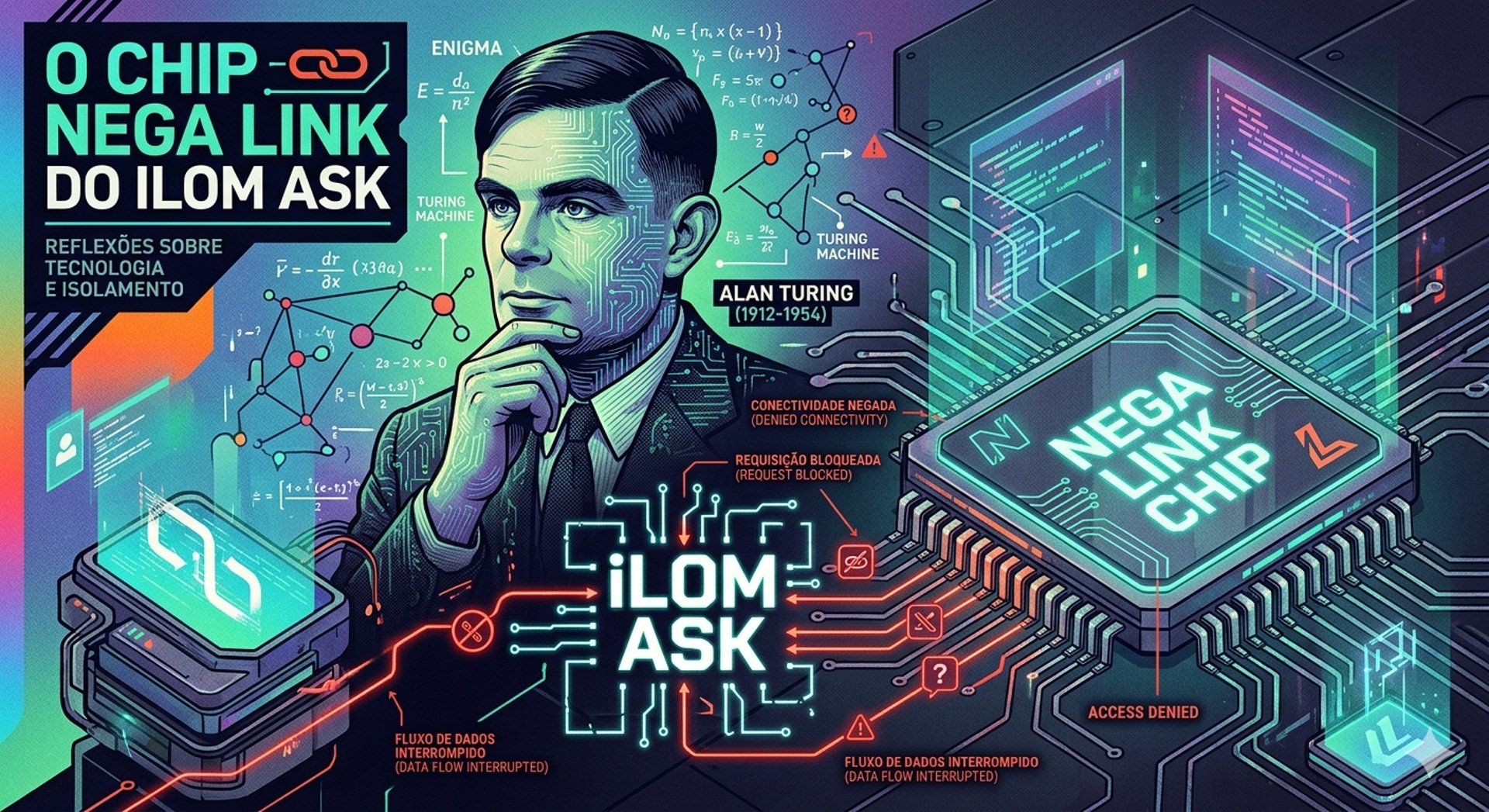
As we move deeper into 2026, Elon Musk’s Neuralink has shifted from the realm of science fiction to a tangible regulatory and ethical reality. While the FDA and legal scholars debate the implications of Brain-Computer Interfaces (BCI), one must wonder: what would Alan Turing—the father of modern computing—make of this "upgrade" to the human condition?
If Turing were observing today's developments, he would likely view the Neuralink chip not merely as a medical device, but as the ultimate validation of the Functionalist Theory of Mind.
The Human Brain as a Discrete State Machine
In his 1936 seminal work, Turing proposed that any "computable" process could be executed by a machine. By successfully translating neuronal electrical impulses into binary code to control external hardware, Neuralink effectively proves Turing’s thesis: the human brain operates as a sophisticated information processor.
From a U.S. Legal Perspective, this raises a fascinating question regarding "Cognitive Liberty." If our thoughts are computable and transmittable, do they constitute "papers and effects" protected under the Fourth Amendment? Turing would argue that once thought is digitized via a chip, the line between biological "intent" and digital "data" vanishes.
Redefining the "Imitation Game"
Turing’s famous test was designed to see if a machine could pass as human. With Neuralink, the paradigm is inverted. We are no longer asking if a machine can act like a human, but whether a human—augmented by silicon—is still "solely" human under the law.
The Hybrid Persona: If an individual uses an AI-linked chip to draft a legal contract or solve a complex equation, who owns the intellectual property?
The Turing Threshold: Turing would likely argue that the distinction is irrelevant. If the output is indistinguishable from human intelligence, the "origin" (biological vs. digital) is a secondary concern.
Challenging the "Argument from Consciousness"
American legal tradition often relies on "conscious intent" (Mens Rea) to determine liability. Critics of AI often cite the "Argument from Consciousness," claiming machines cannot truly "feel."
Turing would counter this by looking at the interface. If a chip can stimulate the brain’s neurochemistry to alleviate depression or simulate sensory input, the "authenticity" of the experience becomes a moot point. In the eyes of a Turing-inspired jurist, function precedes essence.
The "Halting Problem" and Liability
As a master cryptanalyst, Turing’s first concern would be system integrity. In American Tort Law, we look for a "proximate cause" when things go wrong.
Systemic Failure: If a BCI suffers a "logic loop" or a "buffer overflow" that results in physical harm, is it a medical malpractice issue, a product liability claim against the manufacturer, or a digital trespass?
The Security of the Soul: Turing would emphasize that any interface is a two-way street. A chip that can "read" can also "write," posing unprecedented risks to the autonomy of the individual.
Final Thoughts: The Child-Machine Legacy
Turing envisioned a "Child-Machine" that would learn and grow. Neuralink represents the beginning of the "Adult-Cyborg" era. Turing would likely be Musk's most rigorous critic and his most enthusiastic supporter—reminding us that while the hardware changes, the logic of intelligence remains universal.
As we integrate silicon into our biology, we aren't just changing how we move cursors on a screen; we are rewriting the legal and philosophical definition of what it means to be a "Person" in the United States.
Legal Disclaimer: This post explores the theoretical intersection of BCI technology and legal philosophy and does not constitute legal advice.
Contact
Contact us for questions or suggestions
contact@turingvision.com
© 2026. All rights reserved.